
Researched and drafted with AI assistance, then reviewed and fact-checked by our editorial team before publishing. This is a research-based comparison — we synthesize publicly available DOT data, independent airline studies, and aggregated traveler reporting; we have not flown each carrier ourselves for this guide. How we review →
Grounded Pick may earn a commission from purchases made through links on this page, at no cost to you. Affiliate links are added only after our editorial assessment is complete.
The Quick Verdict (Read This Before You Buy a Ticket)
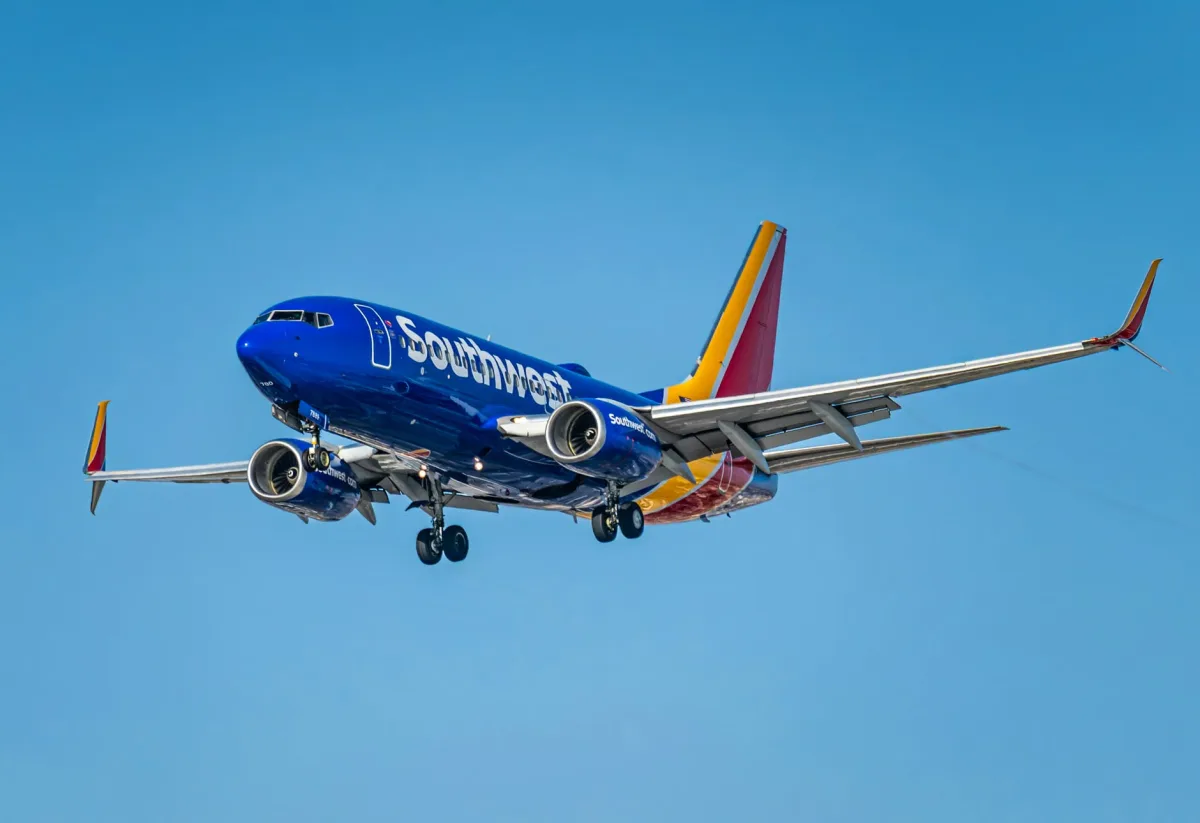
Southwest is the best budget airline for most travelers in 2026 — particularly anyone checking bags or flying with family. Two free checked bags and a carry-on are included with every fare, its cancellation rate (0.82%) is the lowest among all U.S. major carriers, and it ranked second overall in WalletHub's 2026 airline reliability study.
Spirit and Frontier can beat Southwest on price — but only for solo travelers carrying a personal item only, flying on leisure routes, with flexible schedules. Add one carry-on, and the math often flips.
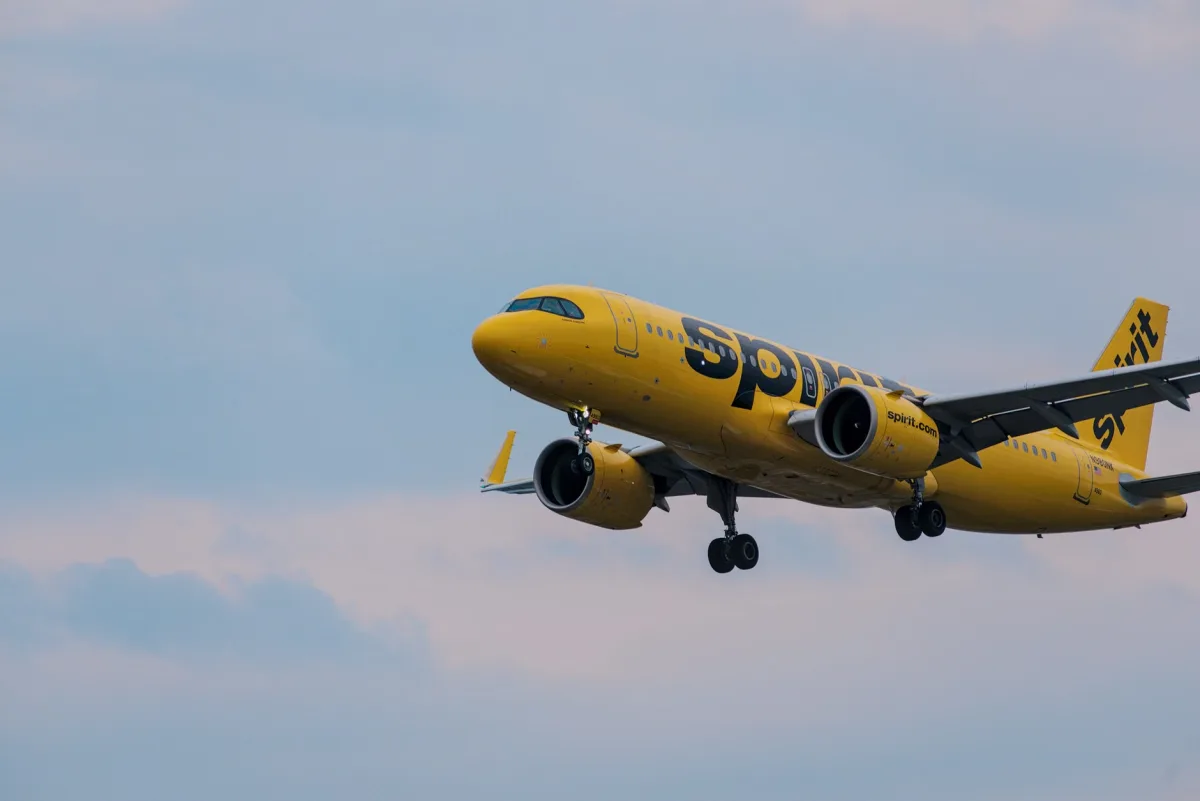
Spirit's financial situation is the biggest wildcard. The airline filed for bankruptcy protection and faced potential liquidation heading into 2026. That affects route stability, rebooking options, and schedule confidence in a way raw reliability data doesn't capture.
Use the framework below to find your specific answer.
Quick-facts box:
| Spirit | Frontier | Southwest | |
|---|---|---|---|
| Safety rank (2026) | #2 nationally | #1 nationally | Strong; not top-ranked |
| Reliability rank (WalletHub 2026) | #1 overall | Not top-ranked | #2 overall |
| Base fare affordability | Most affordable | 2nd (6.15¢/mile) | Higher base |
| Total cost with bags | Often more expensive | Often more expensive | Often cheapest |
| In-flight amenities | Pay-per-item | Pay-per-item | Snacks + drinks included |
| Financial stability | ⚠️ Bankruptcy filing | Contracting | Stable |
| Rebooking flexibility | Limited | Limited | Strong |
Why "Cheapest Ticket" Is the Wrong Question
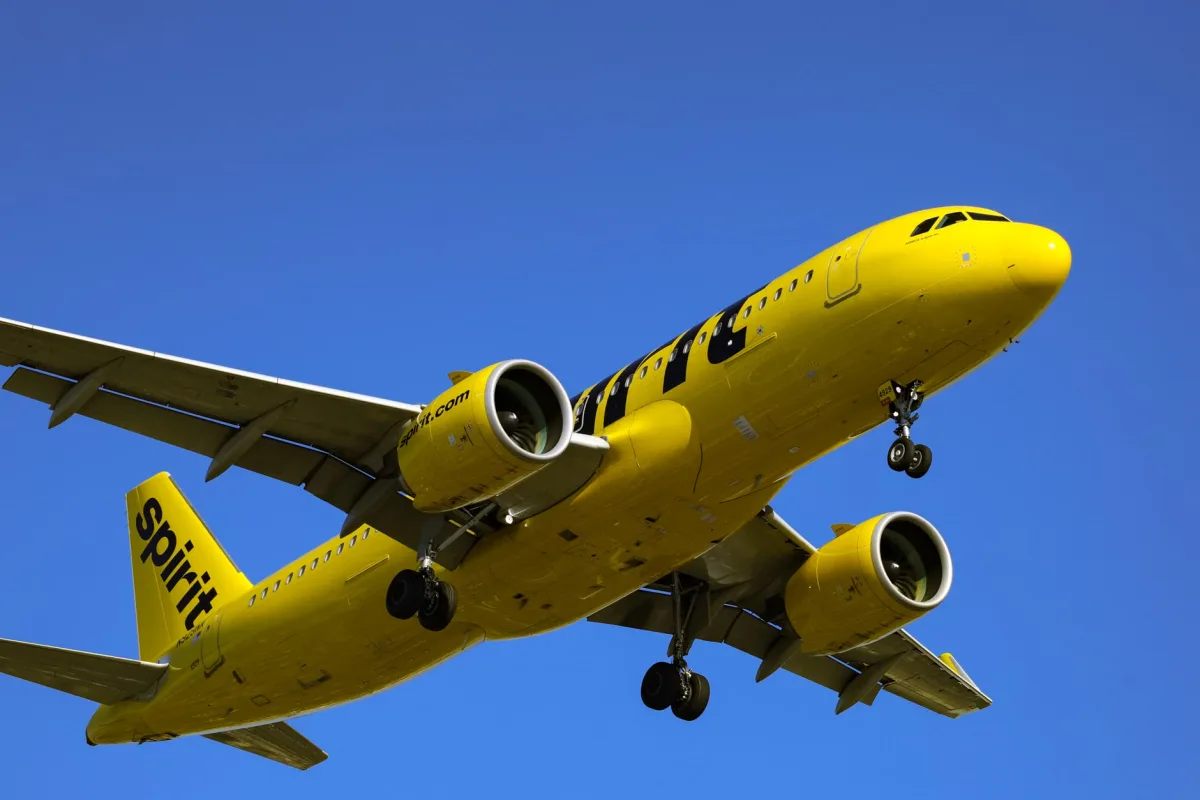
Here's something most travelers don't realize until they're at the gate: on ultra-low-cost carriers, the base fare is a deposit, not a price.
Consider a realistic round trip from Chicago O'Hare to Orlando for a solo traveler with one carry-on and one checked bag:
- Spirit base fare: ~$59 one-way
- Spirit carry-on fee: $45–$79 (more if you pay at the gate)
- Spirit seat selection: $12–$50
- Spirit checked bag: $45–$79 per flight
That $59 fare lands closer to $161–$267 for a single leg — before taxes. Run the same numbers on a $99 Southwest fare that includes the carry-on, the checked bag, and a personal item, and Southwest wins decisively.
Going.com's budget airline analysis puts it clearly: "low-cost carrier" describes an airline's operating model (low overhead), not a guarantee of a low price for passengers. Southwest keeps costs down by operating a single aircraft type — and passes those savings on as inclusive amenities rather than stripped base fares.
The bottom line: calculate your total trip cost, not just the fare.
How This Comparison Was Built
This guide compares Spirit, Frontier, and Southwest across five dimensions that actually affect your trip:
- Safety — injury and incident data from 2020–2025
- Operational reliability — on-time performance, cancellations, and mishandled baggage from 2025 BTS data
- True total cost — base fare plus fees a typical traveler actually pays
- In-flight experience — seat pitch, included amenities, and what you get without extra charge
- Route network stability — fleet size, financial status, and rebooking risk
Primary sources: WalletHub's 2026 airline study (based on Department of Transportation data, as reported by Forbes); the Bureau of Transportation Statistics Transtats database; a 2026 safety ranking published via Yahoo Travel/Business Insider; NerdWallet's reliability analysis using 2025 BTS data; and the Airlines for America 2026 State of U.S. Commercial Aviation report.
This comparison excludes loyalty programs, credit card benefits, and promotional pricing — it focuses on what a traveler paying cash can expect.
Planning the full trip? Our Complete Travel Buyer's Guide 2026 covers hotels, rental cars, vacation packages, and flight strategy in one place.
Safety in 2026: Are Budget Airlines Actually Safe?
The short answer: yes — and the data is more reassuring than most travelers expect.
According to a 2026 safety ranking via Yahoo Travel/Business Insider:
- Frontier ranked #1 safest U.S. airline in 2026.
- Spirit ranked #2, with a safety score of 26.98.
- Both Frontier and Spirit reported zero passenger or crew injuries requiring medical care between 2020 and 2025 — a five-year clean record shared by no other national carrier in the study.
Southwest didn't top the safety ranking, but maintains a consistent operational investment record. The Airlines for America report notes that U.S. passenger airlines reached approximately $7.5 billion in IT spending in 2025, aimed at improving operational resiliency and safety redundancy — Southwest is a contributor to that figure.
One important distinction: safety (injuries/accidents) and reliability (delays/cancellations) are completely separate metrics. An airline can have a spotless safety record and cancel 4% of its flights. The two following sections address reliability. For now: all three airlines operate under the same FAA framework, and none of these three carriers should be avoided on safety grounds alone.
Reliability: Where the Real Differences Show Up
Safety and reliability diverge sharply — and reliability is where your day-to-day experience will actually differ.
WalletHub's 2026 study (via Forbes):
- Spirit ranked #1 most reliable U.S. airline — lowest combined rate of cancellations, delays, mishandled luggage, and denied boardings.
- Southwest ranked #2 overall, earning especially high marks for cancellation rates and denied boarding.
NerdWallet's 2025 BTS analysis adds granularity:
| Metric | Southwest | Industry context |
|---|---|---|
| Cancellation rate | 0.82% (lowest major carrier) | American Airlines: 2.00% |
| Mishandled luggage rate | 0.40% (lowest in study) | — |
| On-time performance | 79.92% | Delta led at 80.27% |
Those aren't marginal differences. Southwest cancels at less than half the rate of the largest U.S. carrier by passengers.
Seasonality matters. BTS Transtats data shows industry-wide on-time performance dropped to 69.23% in July 2025 before recovering to 83.14% in September. Summer travel carries a reliability penalty regardless of carrier — but larger fleets absorb disruptions better.
Here's the catch most comparisons miss: Frontier and Spirit each operate fleets under 200 aircraft. When one of those airlines cancels a flight, the next available seat on the same carrier may be 24–48 hours away. Southwest's substantially larger network means a disrupted traveler typically has another departure within hours on popular routes.
This "reaccommodation risk" is invisible in reliability statistics — but becomes very visible when your 6 a.m. flight vanishes from the departure board the morning of an important trip.
True Cost Breakdown: What You Actually Pay
The average U.S. domestic airfare reached $382.74 in 2025, according to BTS. "Budget" is relative — and the gap between ultra-low-cost carriers and legacy airlines has narrowed as fees spread industry-wide.
On a per-mile basis, Frontier is genuinely cheap: 6.15 cents per mile in the 2026 study via Yahoo Travel/Business Insider, second-most affordable in the study. Spirit ranked most affordable overall in WalletHub's 2026 analysis per Forbes. Those are real numbers — but they measure base fare only.
Full cost scenario — round-trip domestic, solo traveler, 1 carry-on + 1 checked bag:
| Cost element | Spirit | Frontier | Southwest |
|---|---|---|---|
| Base fare (one-way example) | ~$59 | ~$69 | ~$99 |
| Carry-on bag fee | $45–$79 | $45–$75 | $0 (included) |
| Checked bag fee (round trip) | $90–$158 | $90–$150 | $0 (included) |
| Seat selection | $12–$50 | $12–$45 | $0 (open seating) |
| Estimated one-way total | $206–$346 | $216–$339 | ~$99 |
The math flips completely once bags enter the equation. For a solo traveler with only a personal item who books early and skips seat selection, Spirit or Frontier can be genuinely cheaper. For a family of four with checked bags who needs adjacent seats, Southwest wins — and without the stress of gate-fee surprises.
Who should go with Spirit or Frontier? Pack light, travel solo, stay flexible.
Who should go with Southwest? Anyone with bags. Anyone with a group. Anyone who hates fee surprises.
If you're using a travel rewards card to offset airline fees, see our Best Travel Credit Cards 2026 guide for cards that cover checked bags and earn miles worth more than the fee they offset.
In-Flight Experience: What Budget Actually Feels Like at 35,000 Feet
Spirit and Frontier are transactional by design. The seat gets you there; everything else costs extra. Snacks, beverages, extra legroom, seat selection — all unbundled and priced separately. The philosophy is explicit: pay only for what you use.
Southwest is a different model entirely.
According to Going.com, Southwest's seat pitch runs 31–33 inches — standard to slightly above average for domestic economy — and includes complimentary beverages and snacks on every flight. Wi-Fi is available on most routes. WalletHub's 2026 study (via Forbes) placed Southwest alongside JetBlue, Hawaiian, and American as one of the most comfortable U.S. airlines — citing free amenities including Wi-Fi, extra legroom options, and complimentary snacks and beverages.
Southwest's open seating model — the biggest operational differentiator — assigns no seats. Passengers choose any available seat upon boarding, with order determined by check-in time. Checking in exactly 24 hours before departure typically locks in Group A or early Group B, which means first pick of windows and aisles. Late check-in usually means middle seats.
For a 90-minute hop where you plan to stare at your phone, Spirit's bare-bones cabin is perfectly adequate. For a four-hour transcontinental leg where a drink and a predictable seat matter, Southwest's included amenities shift the calculus meaningfully.
Route Networks and Fleet Stability: Can You Rely on These Airlines in 2026?
This is the question most comparison articles skip — and it's the one that matters most specifically in 2026.
Spirit's situation is the most serious. The airline filed for bankruptcy and faced potential liquidation, per Yahoo Travel/Business Insider. The Airlines for America report notes Spirit's shrinking available seat miles for April–June 2026 versus the same period in 2025. Fewer aircraft mean fewer routes, fewer departure times, and fewer options when something goes wrong.
Frontier has also contracted. Both carriers hold domestic market shares in the low single digits — Spirit at 4%, Frontier at 3% in 2024, per Statista's domestic airline market share data — and each fleet sits under 200 aircraft. Southwest, by contrast, held 13% domestic market share in 2024, giving it dramatically more routes, more daily frequencies, and more rebooking flexibility.
The practical implication is this: if you book Spirit or Frontier for a time-sensitive trip — a wedding, a work conference, a connection to an international flight — you're accepting schedule risk that raw reliability statistics don't capture. A cancelled Spirit flight may not have a same-day replacement on Spirit. A cancelled Southwest flight on a major route almost certainly has another departure within hours.
Southwest also serves more mid-sized cities with consistent frequency. Spirit and Frontier concentrate on leisure routes between major metros and vacation destinations — which works well for flexible travelers, but limits options for secondary markets.
Before booking, it's worth using a flight deal app or alert service to compare live prices across all three carriers on your specific route. Prices shift significantly by booking window and day of week.
Head-to-Head: Spirit vs. Frontier vs. Southwest
| Dimension | Spirit | Frontier | Southwest |
|---|---|---|---|
| Safety ranking (2026) | #2 nationally | #1 nationally | Strong; not top-ranked |
| Overall reliability (WalletHub 2026) | #1 overall | Not top-ranked | #2 overall |
| Base fare affordability | Most affordable | 2nd (6.15¢/mile) | Higher base |
| Total cost with bags | Often more expensive | Often more expensive | Often cheapest |
| In-flight amenities | Bare-bones, pay-per-item | Bare-bones, pay-per-item | Snacks, drinks, open seating included |
| Fleet/route stability | ⚠️ Contracting (bankruptcy) | Contracting | Stable, large network |
| Rebooking flexibility | Limited | Limited | Strong |
| Domestic market share (2024) | 4% | 3% | 13% |
Which Budget Airline Should You Choose? A Decision Framework
There's no universally correct answer — but there is a correct answer for your travel profile.
Choose Spirit or Frontier if:
- You're flying with only a personal item (no carry-on, no checked bags)
- Your travel dates are flexible — a 24–48 hour delay won't derail your trip
- You're booking a leisure route (Las Vegas, Orlando, Cancún) where both carriers have strong frequency
- The base fare difference is $60 or more versus Southwest after accounting for your actual bag needs
- You're comfortable monitoring Spirit's operational and financial status before the travel date
Choose Southwest if:
- You're checking one or two bags (two are included free — this is a significant value advantage)
- You're traveling with family or a group (adjacent seats, no per-seat fee)
- You want rebooking flexibility if your flight is disrupted
- You value predictable all-in pricing with no gate-fee surprises
- Your route is served at high frequency by Southwest (major metro to metro)
- You're booking more than three months out and want financial stability confidence
The traveler who should double-check before booking Spirit specifically:
- Anyone with a non-refundable hotel or cruise connection at the destination
- Anyone traveling in July or August when weather-related delays peak
- Anyone who needs a specific departure time (Spirit's fleet limits same-day options if cancelled)
Frequently Asked Questions
Is Spirit Airlines still operating in 2026?
Spirit filed for bankruptcy and faced potential liquidation heading into 2026. As of the time this guide was researched, the airline is still operating, but its route network and fleet have contracted. Check current status before booking, especially for trips more than 60 days out.
Does Frontier charge for carry-on bags?
Yes. Frontier's carry-on fee ranges from $45–$75 depending on when you pay (cheapest online during booking, most expensive at the gate). A personal item that fits under the seat is included free.
Is Southwest's open seating system going away?
Southwest has been evaluating changes to its boarding model. As of this guide's last update, open seating with the A/B/C boarding group system remains in place. Check Southwest's website for any updates before booking.
Which budget airline has the best cancellation rate?
Southwest posted the lowest cancellation rate among all major U.S. carriers in 2025 — 0.82%, compared to American Airlines' 2.00%. Spirit ranked #1 overall in WalletHub's combined reliability study, but Southwest's cancellation rate specifically is the lowest.
Are budget airlines less safe than major carriers?
No. Frontier ranked #1 and Spirit ranked #2 in a 2026 U.S. airline safety study. Both reported zero passenger or crew injuries requiring medical care from 2020 to 2025. All three carriers operate under the same FAA safety framework.
How do I find the lowest total price across airlines?
Compare fares on Google Flights or dedicated flight deal sites, then manually add the fee structure for your bag situation. A $10 price difference on base fare can reverse when you add a carry-on.
Related Guides Worth Reading
Already know your airline? Here are the logical next steps:
- Lock in the right luggage: Best Carry-On Luggage & Checked Bags 2026 — especially useful if you're trying to avoid bag fees on Spirit/Frontier by maximizing what fits in a personal item.
- Find cheaper fares: Best Flight Deal Sites & Apps 2026 — fare alerts and deal aggregators that track price drops on all three carriers.
- Cover the unexpected: Best Travel Insurance Plans 2026 — especially relevant if booking Spirit given current financial uncertainty; trip cancellation coverage is worth considering.
- Earn miles on your flights: Best Travel Rewards Programs 2026 — Southwest Rapid Rewards vs. Frontier Miles vs. Free Spirit: which earns more for how you fly.
- Offset bag fees with a card: Best Travel Credit Cards 2026 — cards with airline fee credits and free checked bag perks.
- Stay somewhere at the destination: Airbnb vs. VRBO vs. Hotels 2026 — pairs naturally once you've sorted the flight.
- Pack smarter for carry-on-only travel: Best Travel Backpacks & Packing Cubes 2026 — if you're flying Spirit or Frontier carry-on-only to avoid fees, the right personal item bag matters.
- Stay connected abroad: Best International eSIMs & Travel Wi-Fi Devices 2026 — for international routes served by these carriers (Frontier and Spirit fly select Caribbean/Latin America routes).
This article was drafted with AI assistance and fact-checked by the Grounded Pick editorial team before publishing. Sources are cited inline.
Discussion
No comments yet. Be the first to share your thoughts.