
Reviewed by the Grounded Pick editorial team. This article was researched and drafted with AI assistance, then fact-checked by a human editor before publishing. We may earn a commission when you use our links to make a purchase — commissions are applied only after our editorial assessment is complete.
Most wine and beer club roundups give you a list with vague praise and no clear answer to the only question that matters: which club fits how you actually drink? Whether you open a bottle twice a week or twice a month, prefer natural wines or just want reliable reds without overthinking it, the right club is different. This guide merges two of our most-read buying guides into one definitive resource — covering market context, head-to-head comparisons, club types, red flags, and a decision framework you can actually use.
TL;DR — Quick Picks by Drinker Type
- Best for personalization: Firstleaf
- Best for casual/moderate drinkers: Sampl (vials) or Helen's (full bottles)
- Best for natural wine: Mysa Natural Wine Club
- Best for gifting: Cellars Wine Club or 90+ Cellars
- Best for enthusiasts/collectors: Wine of the Month Club
- Best for value: Wine Insiders
- Best beer club (national): prioritize exclusivity + flexibility over variety count
- Best beer club overall: local brewery club if you live in Denver, Portland, Philadelphia, San Diego, or Asheville
Why 2026 Is an Interesting — and Complicated — Time to Join

Here's the paradox at the center of this market right now: the share of Americans who drink wine regularly dropped from 34% to 29% in just two years, yet wine clubs are generating record-high average shipment prices and now represent 25% of premium winery revenue.
According to Penn State Extension's 2026 Alcoholic Beverage Trends report, red wine sales fell 10%, white wine 6.6%, and rosé 11.5% year-over-year — these are structural shifts, not seasonal dips. Grand View Research data cited in the same report points to Millennials and Gen Z drinking less overall and gravitating toward cocktails, spirits, and non-alcoholic alternatives.
And yet: SVB's 2026 State of the US Wine Industry Report shows DTC average shipment prices rose to record highs in 2025, with wine clubs accounting for 25% of the average premium winery's revenue. SVB identifies an "hourglass effect" — growth concentrated at the entry and premium tiers while the mid-range stagnates.
The economic context matters, too. Clarkston Consulting's 2026 Wine, Spirits & Beer Industry Trends report flags tariff-driven cost volatility and tighter discretionary income as forces reshaping brand loyalty. Clubs with heavy European import exposure — French Burgundy, Italian Barolo, Spanish Rioja specialists — may face pricing pressure that domestic-focused clubs won't.
What this means practically: the clubs surviving and growing right now are doing so by delivering genuine, differentiated value. The weak ones are losing members to subscription fatigue. That makes 2026 a surprisingly good time to join a well-run club — if you know how to identify one.
Head-to-Head Comparison: Top Wine Subscription Boxes at a Glance
Always calculate total delivered cost before comparing headline prices. The shipping column changes the real numbers significantly.
| Service | Starting Price | Format | Frequency | Curation Style | Shipping | Best For |
|---|---|---|---|---|---|---|
| Firstleaf Classic | ~$45/mo | 6 full bottles | Monthly | Personalized algorithm | Varies | Discovery drinkers |
| Firstleaf Preferred | ~$80/mo | 6 higher-value bottles | Monthly | Personalized algorithm | Varies | Enthusiasts |
| Sampl | ~$45/quarter | 7 × 100mL vials | Quarterly | Curated by region | Included | Moderate/exploratory |
| Helen's | ~$30 + $9 shipping | 2 full bottles | Monthly | Curated | No ($9 extra) | Budget beginners |
| 90+ Cellars | ~$65/quarter | 3 full bottles | Quarterly | Curated (rebranded premium) | Included | Gift-givers |
| Mysa Natural Wine | ~$55.95/mo | 3–12 bottles | Monthly | Natural/biodynamic | Varies | Natural wine enthusiasts |
| Cellars Wine Club | Varies by tier | Multiple tiers | Monthly | Curated by style/score | Included | Gift-givers, value seekers |
| Wine Insiders | ~$120/quarter | 12 + 3 bonus bottles | Quarterly | Curated value case | Included | Value-focused regulars |
Two things stand out immediately.
First, Helen's ~$30 entry price looks competitive until you add $9 for shipping — the real cost is $39 for two bottles. Always calculate total delivered cost before comparing headline prices.
Second, Sampl's quarterly vial box works out to roughly $6.40 per 100mL tasting portion — which is a fundamentally different format than a full bottle, suited to exploratory drinkers rather than those who want to stock a shelf.
How These Services Were Evaluated
How this guide was researched: This article draws on published editorial reviews from four named sources with documented testing methodology: Wirecutter, Taste of Home, CNET, and Reviewed.com. It also draws on industry data from SVB, Penn State Extension, Clarkston Consulting, OhBev, drinks.com, and IBISWorld. This article does not reflect hands-on testing by Grounded Pick.
Wirecutter's methodology is the most rigorously documented: they assessed wine condition on arrival, evaluated flavor quality relative to price, tested customer service responsiveness, and hired a sommelier to assist with tastings. Critically, they eliminated clubs not forthcoming about sourcing — a standard we adopt throughout this guide. Taste of Home's Product Reviews Editor Madi Koetting personally tested Sampl and provided direct qualitative feedback. Reviewed.com evaluated Mysa specifically on winemaker transparency and educational depth.
Where services appear in this guide but were not directly tested by those editorial teams, they are assessed based on aggregated editorial consensus and publicly stated methodology. That distinction is noted in each relevant section.
Best Wine Clubs by Drinker Type
Best for Personalization: Firstleaf
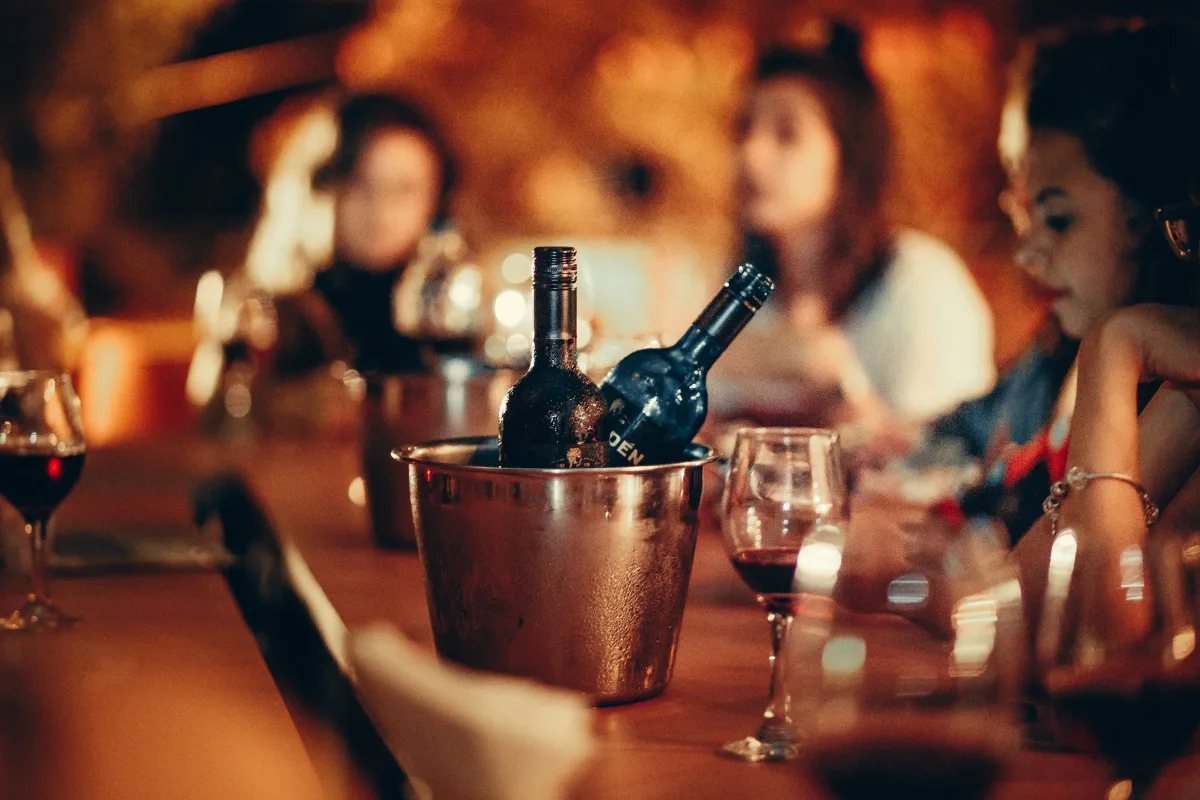
Firstleaf's model is simple: complete a flavor preference quiz, receive six bottles matched to those preferences, rate each bottle, watch selections improve over time. The feedback loop is the product.
According to CNET, the Classic Plan delivers six bottles monthly, the Preferred Plan offers six higher-value bottles, and a Premier tier exists for the highest-end selections.
The personalization model suits drinkers who want discovery without research — you don't need to know the difference between a Côtes du Rhône and a Grenache-dominant blend. The trade-off: the system requires patience and honest feedback. Members who skip the rating step get a generic box that could come from almost any service.
For gift-givers: Firstleaf's electronic gift card format lets the recipient complete their own taste quiz rather than receiving someone else's pre-selected preferences — a genuine advantage over clubs that ship a fixed box with no recipient input.
Honest limitation: personalization algorithms are only as accurate as the data they receive. Genuinely unusual preferences — high-acid, low-alcohol whites, for example — may take several shipments to register.
Best for Casual or Moderate Drinkers: Sampl and Helen's
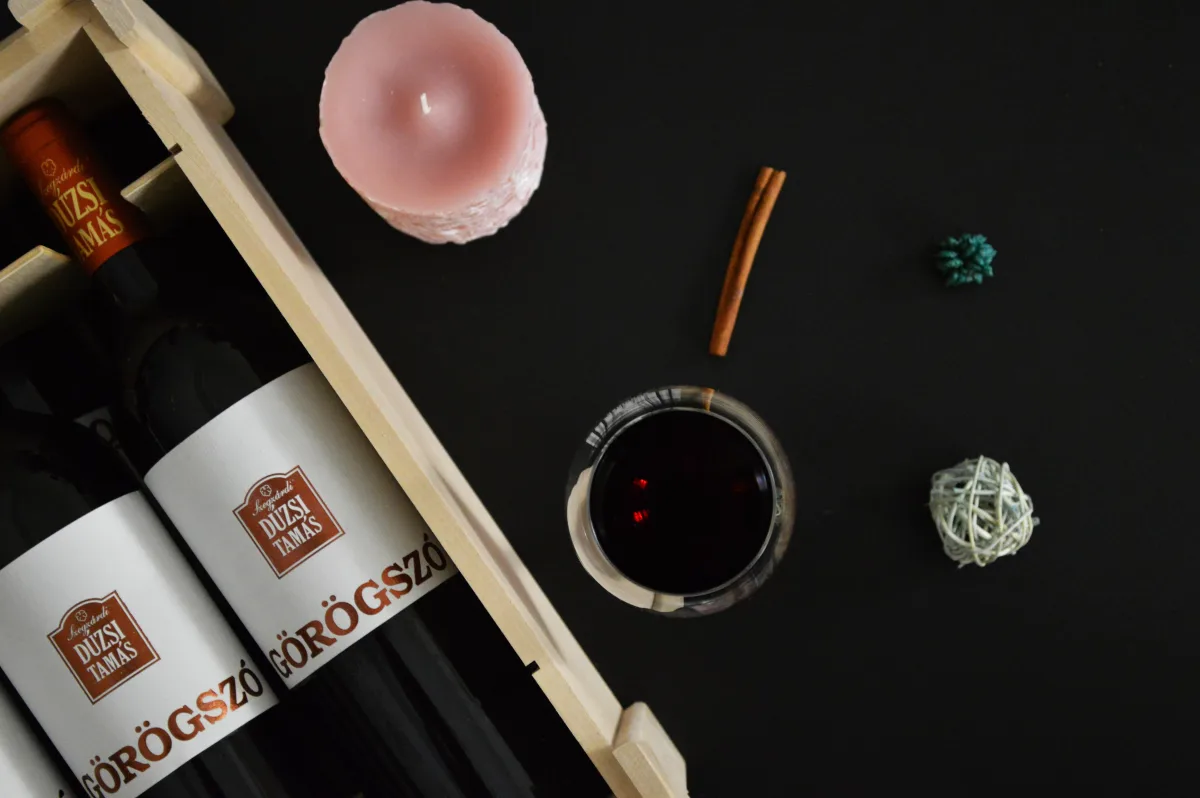
Most wine subscription content assumes you want six or twelve bottles per month. If you open a bottle once a week or less, that volume creates waste, storage pressure, and a subscription that starts feeling like an obligation. Sampl and Helen's both solve this problem, in different ways.
Sampl takes the most unconventional approach. According to Taste of Home, every three months a box arrives containing seven 100mL vials — a mix of white, red, and orange wines handpicked from a specific growing region that changes each quarter. Product Reviews Editor Madi Koetting, who tested the service directly, described it as ideal for people who drink in moderation or want to experiment with new wine without committing to a full bottle, and noted she would order again specifically because of the format's low commitment. At 100mL per vial, you taste, evaluate, and move on — no sunk-cost feeling from a bottle you don't enjoy.
Helen's operates differently: full bottles, just two of them, at approximately $30 per shipment. Add $9 for shipping and the real entry cost is $39. Wirecutter recommends it as the best accessible entry point for readers who want real bottles at minimal volume — specifically as a trial option before committing to a larger-format club.
Choose Sampl if exploration and education matter more than having a full bottle in hand. Choose Helen's if you want the experience of opening a real bottle at the lowest possible volume commitment.
Best for Natural Wine Enthusiasts: Mysa Natural Wine Club
Natural wine is not a marketing category — it describes a production philosophy: minimal intervention, native yeasts, no or low added sulfites, grapes grown without synthetic pesticides. Readers who care about what's in their wine, not just how it tastes, will find most mainstream subscription boxes frustrating. Mysa is built specifically for this audience.
According to Reviewed.com, Mysa offers three club options: the Natural Wine Club (available in three-, six-, or twelve-bottle deliveries starting at ~$55.95/month), the Orange Natural Wine Club, and the Red Natural Wine Club. The Red and Orange clubs are limited-availability — Reviewed.com notes this as genuine scarcity, not a marketing tactic.
Mysa's approach centers on education about winemakers and production methods, not just tasting notes. That distinction matters: many subscription boxes label wines "natural" without context; Mysa explains why the winemaking matters.
Reviewed.com also highlights Tinto Amorio as a brand worth attention within this category — each bottle uses organic and biodynamic grapes with spontaneous fermentation, with a level of branding transparency that holds up at dinner party conversation.
Practical note: as with all alcohol delivery, recipients must be 21+ to sign for a Mysa shipment. Confirm the delivery address before purchasing as a gift.
Best for Gifting: Cellars Wine Club and 90+ Cellars

Buying a wine subscription for someone else changes the decision criteria entirely. You need wide appeal, a format that feels considered, and ideally a club that lets the recipient customize after the first delivery.
Cellars Wine Club addresses this directly through a tiered structure. According to Cellars Wine Club's editorial pages, the Premium Club focuses on over-delivering for the price, the 90 Point Club spotlights wines praised by professional critics, the Sparkling Club suits celebratory occasions, and the Sweet Wine Club suits recipients who prefer approachable, food-friendly profiles. Shipping is included upfront rather than added at checkout — which simplifies gifting budgets and avoids sticker shock. Long-standing producer relationships allow them to pass along savings that are difficult to replicate at retail.
90+ Cellars takes a different angle on quality signaling. According to CNET, 90+ Cellars purchases bottles from vineyards with histories of highly-rated wines and repackages them under their own label. The quarterly format — starting at roughly $65 for three bottles — reduces the delivery burden for gift recipients who may not want monthly shipments. Each delivery typically includes a red, a white, and occasionally a rosé or sparkling, covering most preference profiles without requiring the buyer to know the recipient's exact tastes. CNET notes their website is more user-friendly than several legacy quarterly clubs, which matters when the recipient needs to manage their own account.
Best for Enthusiasts and Collectors: Wine of the Month Club
Readers with existing wine knowledge often find mainstream subscription boxes unsatisfying — safe selections, familiar producers, minimal educational value. Enthusiast-tier clubs justify higher price points through access to bottles that simply don't appear at retail.
The International Wine of the Month Club operates a two-tiered tasting panel and sources through direct vineyard visits, selecting from boutique producers globally. Their four tiers — Premier Series, Bold Reds, Masters Series, and Collectors Series — allow self-selection based on depth of interest. The value proposition is not savings over retail; it's access to wines that aren't available at retail. For enthusiasts who have already exhausted what their local wine shop stocks, that distinction is the whole point.
Roscioli Italian Wine Club, noted by CNET, offers a specialized regional focus for readers with a specific interest in Italian wine. At the enthusiast level, regional specialization is a meaningful differentiator — a club dedicated to a single country's wine culture can go significantly deeper than a generalist service.
Best for Value: Wine Insiders and Helen's
Value in a wine subscription is not the same as cheapness. The real measure is cost-per-bottle relative to what you'd pay for comparable quality at retail, with shipping factored in.
Wine Insiders, founded in 1982, is noted by Wine Club Reviews for delivering better wine quality than most direct competitors at the quarterly case level. Their quarterly offering includes twelve bottles plus three bonus bottles, with free shipping included. Spreading cost across fifteen bottles makes the per-bottle price genuinely competitive — and Wine Club Reviews rates them among the best affordable quarterly options because quality outperforms the price point, not just because the headline number is low.
Helen's holds the entry point for readers wanting to test before committing to a case. Per-bottle cost is higher than a case-format club, but risk is lower. Wirecutter recommends it specifically as a trial option.
Wine Club Types Explained: Winery-Direct vs. Curated vs. Retailer-Affiliated

Not all wine clubs serve the same purpose. Joining the wrong type is a common source of dissatisfaction.
Winery-Direct Clubs are best for collectors who want allocation access to limited-production wines. SVB's 2026 data shows premium wines at the upper tiers are the growth categories — and these tiers are often only accessible through club membership. The trade-off is variety: you're committing to one producer's output, which works well if you already know and trust their winemaking.
Curated Multi-Winery Clubs are best for explorers who want variety and education. Wirecutter's top picks fall into this category — clubs that prioritize curation quality, sourcing transparency, and the ability to introduce members to producers they wouldn't find independently. The key evaluation criterion: does the curation team have genuine expertise, or is it simply aggregating available inventory?
Retailer-Affiliated Clubs offer flexibility that winery-direct clubs can't match — the ability to exchange bottles in-store, apply club pricing to walk-in purchases, and adjust selections based on current stock. IBISWorld's 2026 Beer, Wine & Liquor Stores analysis identifies Total Wine and More, Yankee Spirits, and ABC Fine Wine & Spirits as major US players with club programs. For value-focused buyers who drink regularly and want flexibility over exclusivity, this model often delivers the best cost-per-bottle outcome.
Regional and Local Winery Clubs are best for readers who live near wine country. SVB's data shows some regional wineries rely on DTC for up to 78% of revenue — your club membership is genuinely meaningful to their operation, and they reciprocate with access and hospitality that larger clubs can't match. If you're within driving distance of Willamette Valley, the Finger Lakes, the Texas Hill Country, or Virginia wine regions, a local club often includes cellar door visits, harvest events, and winemaker dinners that add substantial non-bottle value.
Natural, Organic, or Varietal-Specific Clubs are best for readers with defined preferences. If you already know you drink primarily Rhône-style reds, orange wines, or certified organic bottles, a specialist club's curation will serve you better than a generalist club that allocates one slot per shipment to your preferred style.
Beer Clubs in 2026: What Separates Great from Generic
Beer clubs have distinct evaluation criteria that wine-focused comparisons tend to flatten. The core question is not how many cans arrive — it's whether those cans represent breweries doing genuinely novel work.
According to Innova Market Insights' 2026 Beer Trends analysis, flavor innovation is the primary driver of consumer interest in the craft segment. Barrel-aged stouts, experimental hop varieties, fruit-forward sours, and regionally-sourced ingredient beers are what move engaged beer drinkers. A club sourcing these from independent craft breweries delivers something meaningfully different from one repackaging widely distributed SKUs from the craft arms of large conglomerates.
Local brewery clubs offer the strongest exclusivity proposition. As documented in Eater Philly's 2026 guide to Philadelphia wine and beer clubs, Philadelphia's brewery club landscape includes early access to tap releases, members-only canned formats, and expert-led tasting events — benefits a national shipper structurally cannot replicate. If you live in a city with an active craft scene (Philadelphia, Portland, Denver, Asheville, San Diego), a local brewery club will almost always outperform a national subscription on exclusivity and freshness.
National beer clubs must justify their value through geographic reach and curation quality. The honest pitch: "We source beers you genuinely cannot find within 50 miles of your home." If a club can't make that case credibly — if its selections appear regularly at Total Wine or your local bottle shop — the subscription premium is hard to justify.
Frequency and volume flexibility matter more for beer than wine. Beer has a shorter shelf life, and most households consume it faster and less ceremonially. A club shipping 24 cans every six weeks may work well for a household of two regular drinkers but create storage and freshness problems for a solo or occasional drinker. Look for clubs that let you set shipment frequency based on your actual consumption rate.
5 Questions to Ask Before Joining Any Wine or Beer Club

Most club comparison articles tell you what clubs exist. These questions separate a smart join from an expensive mistake.
1. How does the club source its wines or beers?
Wirecutter's 2026 methodology explicitly eliminated clubs not forthcoming about sourcing. Opacity here is a disqualifying red flag. A credible club should be able to tell you the producer, region, and ideally the vintage rationale for every bottle. Vague answers — "carefully selected from our network of partners" — signal the curation may not be meaningfully differentiated from a grocery store shelf.
2. Can you customize, pause, or adjust frequency without penalty?
Drinks.com identifies overstock and price sensitivity as the top two reasons members cancel. A club that locks you into a fixed cadence with no skip or pause option is building the conditions for its own churn. Look for explicit flexibility language before you sign up — not buried in the cancellation FAQ.
3. What happens if you don't like a bottle?
A clear, low-friction satisfaction policy signals curation confidence. Clubs that complicate replacement or credit processes are often the same clubs whose selections don't hold up to scrutiny. This policy should be findable in under 60 seconds on the club's website.
4. Are the wines or beers genuinely better than what you'd find at a grocery store?
Wirecutter's reviewers specifically tested for this and eliminated clubs where the answer was no. This is the correct benchmark. If a club's selections consistently appear on grocery store shelves at the same price, the curation premium is illusory.
5. What is the total annual cost, including shipping?
Many clubs advertise per-bottle prices that obscure shipping fees, which typically run $9–$20 per wine shipment. Calculate the full-year cost before comparing options. Also confirm the club ships to your state — direct-to-consumer shipping laws vary significantly, and some clubs don't serve all 50 states. OhBev's 2026 US Wine Market analysis notes that smaller wineries often rely on third-party platforms to manage compliance, which can affect delivery timelines and available states.
Red Flags: Signs a Club Is Not Worth Joining
If you encounter more than two of these in a single club evaluation, walk away.
- No clear sourcing information. Wirecutter's standard eliminated clubs that couldn't explain where their wines came from. If a club can't explain its sourcing, you have no basis for trusting its curation.
- Selections that match or underperform grocery store equivalents. A club whose bottles you could find at Trader Joe's or Total Wine at the same price is charging a membership premium for nothing.
- No pause, skip, or cancel option without penalty. Legitimate clubs in 2026 offer flexible management as a standard feature, not an exception.
- Vague or non-existent satisfaction policy. If you can't find a clear answer to "what happens if I don't like a bottle" in two minutes of browsing, that's a structural red flag about how the club handles complaints.
- Shipping fees disclosed only at checkout. Full pricing transparency should be available before you enter any personal information. Late-stage fee reveals are a dark pattern.
- No information about the curation team. Named sommeliers, winemaker advisory boards, or documented tasting processes all signal genuine curation. "Our expert team" with no further detail does not.
- Reviews dominated by cancellation complaints. Before joining any club, search "[club name] cancel" and "[club name] refund" independently. Cancellation difficulty is the most common complaint in the wine club space — and is almost never mentioned in the club's own marketing.
Understanding What You're Actually Paying For
Per-bottle price is rarely the complete picture. Most wine clubs charge $9–$20 per shipment; beer clubs typically run $15–$30 for a mixed variety pack. But the value calculation should include non-bottle benefits: event access, tasting notes, sommelier consultations, and library wine access all carry real monetary value that doesn't appear in the per-bottle math.
According to drinks.com's 2026 Wine Club Playbook, the average wine club member stays active for 413 days and places around ten orders during their membership — with some members accumulating $4,000+ in lifetime spend. Top-performing clubs see monthly churn as low as 3–4%. Wine club members aren't buying replenishment like razor blades; they're buying experience, discovery, and exclusivity.
On commitment structure: annual memberships typically offer better per-bottle pricing but reduce flexibility. For first-time club members, month-to-month is the smarter starting point even if it costs slightly more per shipment. The drinks.com data — average membership duration of 413 days for members who find a good fit — suggests the flexibility cost of starting without an annual commitment is lower than it appears.
Tariff-driven cost volatility is a practical 2026 consideration. Clarkston Consulting identifies tariff friction as a force gradually changing consumer baskets and brand loyalty. Clubs with heavy European import exposure may face pricing pressure that domestic-focused clubs won't. If you're joining an import-heavy club on a fixed budget, ask directly whether current pricing reflects tariff costs or whether adjustments are anticipated.
For a broader framework comparing subscription-based services — meal kits, streaming, and others — the Best Subscription Services Guide 2026: Stream, Eat, Learn & More offers useful parallel context for evaluating recurring delivery value.
Frequently Asked Questions
How much should I expect to spend on a wine club per year?
A realistic annual budget for a mid-tier wine club — two shipments of six bottles, with shipping — runs $400–$650. Premium clubs with library wine access and event benefits can reach $900–$1,500 annually. Calculate the full-year cost including shipping before comparing options; per-bottle advertised prices frequently understate the total.
Are wine clubs worth it if I only drink one or two glasses per week?
Possibly — but only if the club offers genuine volume flexibility. A light drinker receiving six bottles every two months will accumulate inventory faster than they consume it, which is the overstock problem drinks.com identifies as the top churn driver. Look for clubs that allow quarterly shipments or let you adjust volume per order. Sampl's quarterly vial format or Helen's two-bottle monthly option often suits light drinkers better than a standard six-bottle plan.
Which wine subscription is best for someone who only drinks occasionally?
Sampl is the clearest answer — seven 100mL vials every three months is the lowest-commitment format tested by any major editorial source. Helen's two-bottle monthly club is the next step up if you want full bottles at minimal volume. Both avoid the overstock problem of receiving twelve bottles when you only drink two per month.
Can I give a wine subscription as a gift without knowing the recipient's preferences?
Yes, with the right club. Cellars Wine Club's multiple tiers — including the Sparkling and Sweet Wine clubs — let you match the gift to a general preference profile. 90+ Cellars' quarterly format reduces delivery frequency for recipients who don't want monthly shipments. Firstleaf's electronic gift card format lets the recipient complete their own taste quiz, removing the guesswork entirely. Practical caveat: the recipient's state shipping laws apply, not yours — confirm before purchasing.
What is the difference between a curated and a personalized wine subscription?
A curated subscription sends the same (or similarly structured) selection to all members in a given tier, chosen by an editorial or sommelier team. A personalized subscription — like Firstleaf — adjusts selections based on your individual ratings and feedback over time. Curated clubs deliver consistent quality without requiring ongoing participation; personalized clubs can improve significantly with engagement, but produce generic results if you skip the feedback step.
Do beer clubs ship to all states?
No. Direct-to-consumer alcohol shipping laws vary by state, and beer faces stricter restrictions than wine in many jurisdictions. Some states prohibit DTC beer shipments entirely. Always verify shipping eligibility for your specific state before joining — this information should be clearly stated on the club's FAQ or shipping policy page.
What is a "natural wine" subscription and how is it different?
Natural wine describes wines made with minimal intervention: native yeasts, no or low added sulfites, and grapes grown without synthetic pesticides. Clubs like Mysa Natural Wine Club specialize in this category and provide producer-specific context about why the winemaking matters — which is meaningfully different from a mainstream club that simply labels a bottle "organic" without further explanation.
How do I know if a club's curation is genuinely expert?
Look for named curators with verifiable credentials — certified sommeliers, working winemakers, or documented tasting panels. Look for specific sourcing explanations for each bottle and tasting notes that go beyond marketing language. Wirecutter's standard — eliminating clubs not forthcoming about sourcing — is a useful baseline. If the curation rationale reads like it could apply to any bottle in any club, it probably does.
Decision Framework: How to Choose a Wine or Beer Club in 2026
Rather than a ranked list, here is the decision logic that should guide your choice.
Step 1: Start with your actual consumption rate. How many bottles of wine or cans of beer do you consume per week? Match your shipment frequency and volume to that number — not your aspirational drinking habits. Overstock is the leading cause of cancellation, and no club can overcome a mismatch between delivery volume and consumption rate.
Step 2: Identify your primary motivation. Are you joining for discovery (curated multi-winery or multi-brewery club)? For allocation access to specific producers (winery-direct)? For community and events (local club)? For value and flexibility (retailer-affiliated)? Each motivation maps to a different club type — and a club that excels at one often underdelivers on the others.
Step 3: Apply the five questions before signing up. Sourcing transparency, flexibility, satisfaction policy, quality vs. grocery store benchmark, and total annual cost. Any club failing two or more of these tests isn't worth joining regardless of how compelling its marketing appears.
Step 4: Start month-to-month. The average member who finds a good fit stays for over a year. The flexibility cost of starting without an annual commitment is low; the cost of being locked into a poor fit is high.
Step 5: For beer, prioritize local if you can. If you live in a city with an active craft brewery scene, a local club will almost always outperform a national subscription on exclusivity, freshness, and community. National clubs make sense primarily if you want geographic reach — beers you genuinely cannot source locally.
Step 6: For import-heavy wine clubs, factor in 2026 tariff context. If you're drawn to a club specializing in European imports, ask directly whether current pricing already reflects tariff costs or whether price adjustments are anticipated.
The wine and beer club market in 2026 is more bifurcated than it's ever been: weak clubs are losing members fast, and strong clubs are generating record loyalty. Joining the right one isn't complicated — it just requires matching the club's actual strengths to your actual drinking habits, not your subscription wishlist.
We may earn a commission when you use our links to make a purchase, at no additional cost to you. Our editorial recommendations are finalized before any affiliate link is applied. Read our affiliate disclosure → | How we review → | Our AI ethics policy →
Discussion
No comments yet. Be the first to share your thoughts.